Skip to content

What Are the Key Factors a Homeowner Should Consider When Choosing a New Roofing Material?

When planning for a new roof, homeowners must evaluate more than the appearance. This guide breaks down the factors to consider when selecting the right roofing material for long-term value and protection in Delaware.

Share:

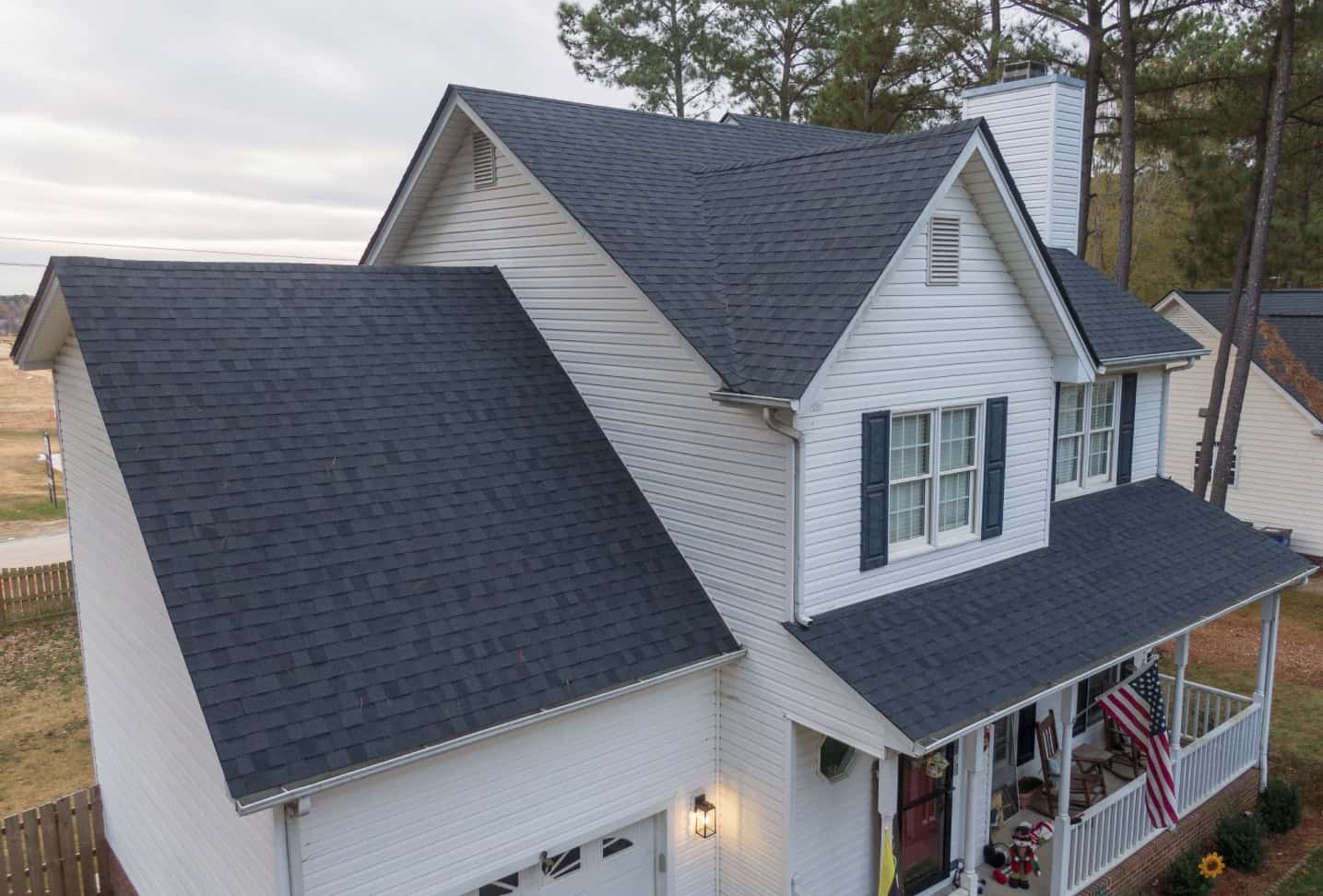
A two-story white house with a dark gray shingle roof, recently serviced by expert Delaware remodeling contractors, is shown. It features a front porch with a small American flag and a cozy seating area. The home is framed by tall trees against an overcast sky.

Summary:

This blog explains what factors homeowners should take into account when selecting a roofing material for a roof replacement. It outlines the importance of durability, weather resistance, cost, energy efficiency, and maintenance needs. Homeowners in Delaware can use this information to make l decisions before investing in a new roof.

Table of contents
Replacing your roof is a major investment, and the material you choose will impact your home’s protection, energy efficiency, and long-term costs. With Delaware’s changing seasons and weather extremes, homeowners must weigh more than just aesthetics or price. This guide walks through the essential factors to consider—from durability and climate performance to installation costs and maintenance requirements—so you can confidently select the best roofing material for your home’s needs and future value.

Durability and Expected Lifespan

Each roofing material has a different expected lifespan. Asphalt shingles may last around 20 to 30 years, while metal roofing can exceed 40 years with proper care. Slate and clay tiles can last even longer but come with different structural requirements. Understanding how long a material typically lasts helps homeowners plan for future replacement costs. Durability also affects how often repairs are needed, especially in regions with seasonal weather changes like Delaware.

Weather Resistance in the Local Climate

Delaware experiences all four seasons, including snow, wind, heavy rain, and high humidity. Roofing materials must hold up under these changing conditions. Some shingles may crack in cold temperatures or lose adhesion in humid conditions. Metal roofing resists water and wind but may dent from hail. Understanding how a material performs in local weather is critical for long-term protection. Homeowners should seek a material that handles exposure without failure.

Cost of Materials and Installation

Delaware experiences all four seasons, including snow, wind, heavy rain, and high humidity. Roofing materials must hold up under these changing conditions. Some shingles may crack in cold temperatures or lose adhesion in humid conditions. Metal roofing resists water and wind but may dent from hail. Understanding how a material performs in local weather is critical for long-term protection. Homeowners should seek a material that handles exposure without failure.

Structural Requirements and Roof Design

Some roofing materials are heavier than others. Clay, slate, and some types of metal roofing require reinforcement of the roof deck to handle the added weight. Not all homes are built to support these materials without modifications. The pitch and shape of the roof also affect what options are available. Flat or low-slope roofs may need different solutions than steep, gabled designs. Evaluating structure and design limitations helps narrow down realistic choices.

Energy Efficiency and Reflective Properties

Roofing has a part in egulating indoor temperatures. Light-colored or reflective materials reduce heat absorption and help control cooling costs in the warmer months. Some roofing systems offer built-in ventilation or insulation benefits, which are useful in both summer and winter. In Delaware’s varied climate, selecting a material that supports energy efficiency can improve comfort and reduce energy usage.

Maintenance and Repair Needs

Each roofing material comes with different maintenance requirements. Asphalt shingles may need periodic inspections for granule loss or curling. Metal roofs require sealing at seams and fasteners. Tile roofing may require occasional replacement of cracked pieces. Homeowners should consider how much effort and cost is involved in keeping the roof in good condition. Choosing a material with fewer maintenance demands can reduce long-term expenses and limit the need for excessive roof repair appointments.

Choose the Right Roofing Material with Guidance from Delaware Professionals

Selecting a roofing material involves more than matching your home’s exterior. Homeowners must consider strength, weather resistance, dimensional fit, cost, and long-term maintenance needs. These factors affect performance of the new roof. If you’re planning a roof replacement in Delaware, Anthony Construction Roofing & Siding can help guide you with clear information and recommendations.

Article details:

Share:

Call Now Button